
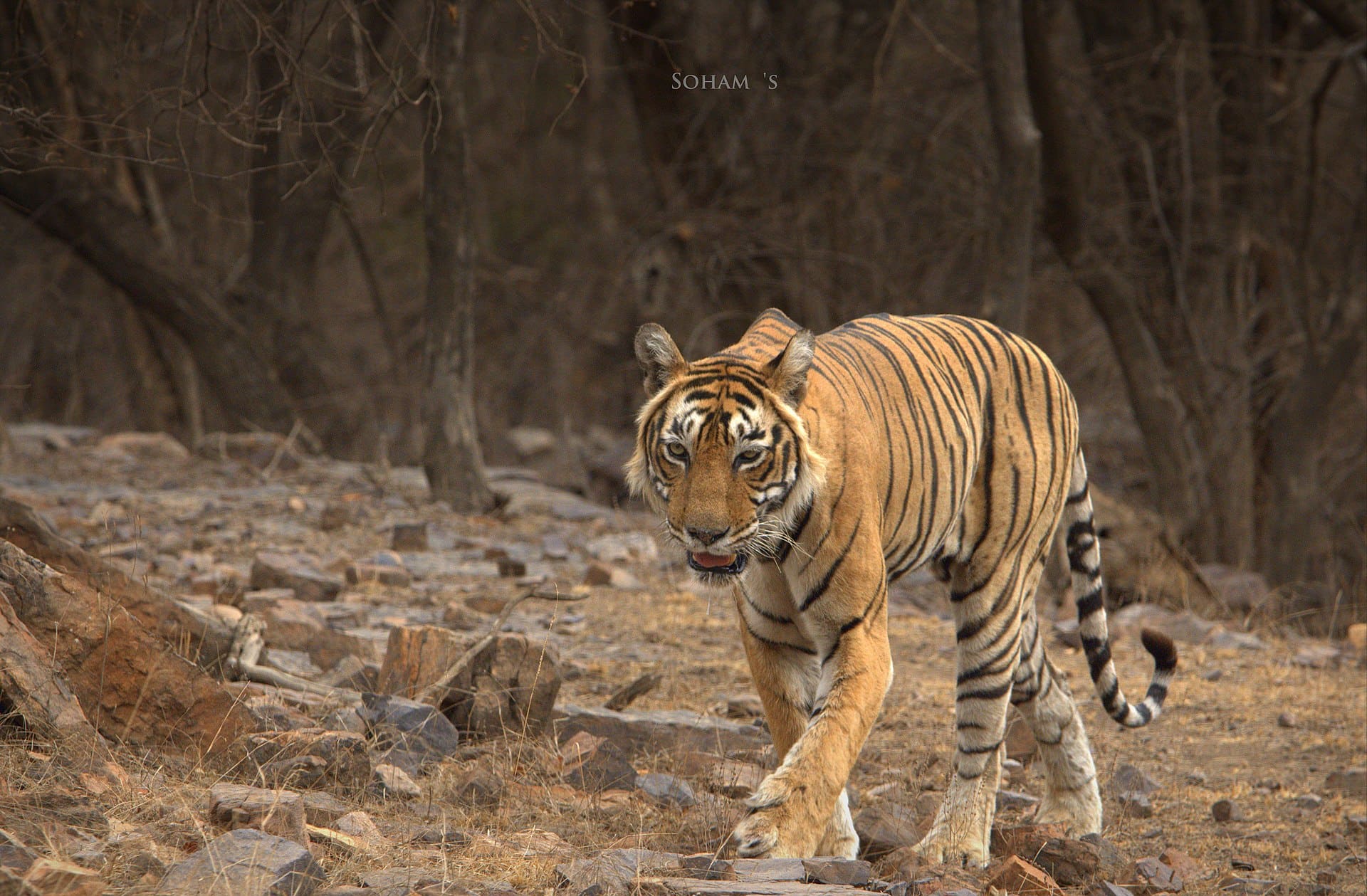
T-19KrishnaThe mother who defied the odds
She inherited her mother's lakes. Holding them was the harder half.

Built on truth, guided by nature.
Honest, nature-led journeys into the wild — and honest counsel about what this forest will and won't give you.
Book your experience with us and become a part of an ecosystem that thrives on originality, wilderness and ethics.
Each experience is special in its own way. It depends on how you would like to become a part of the jungle.
 Most booked
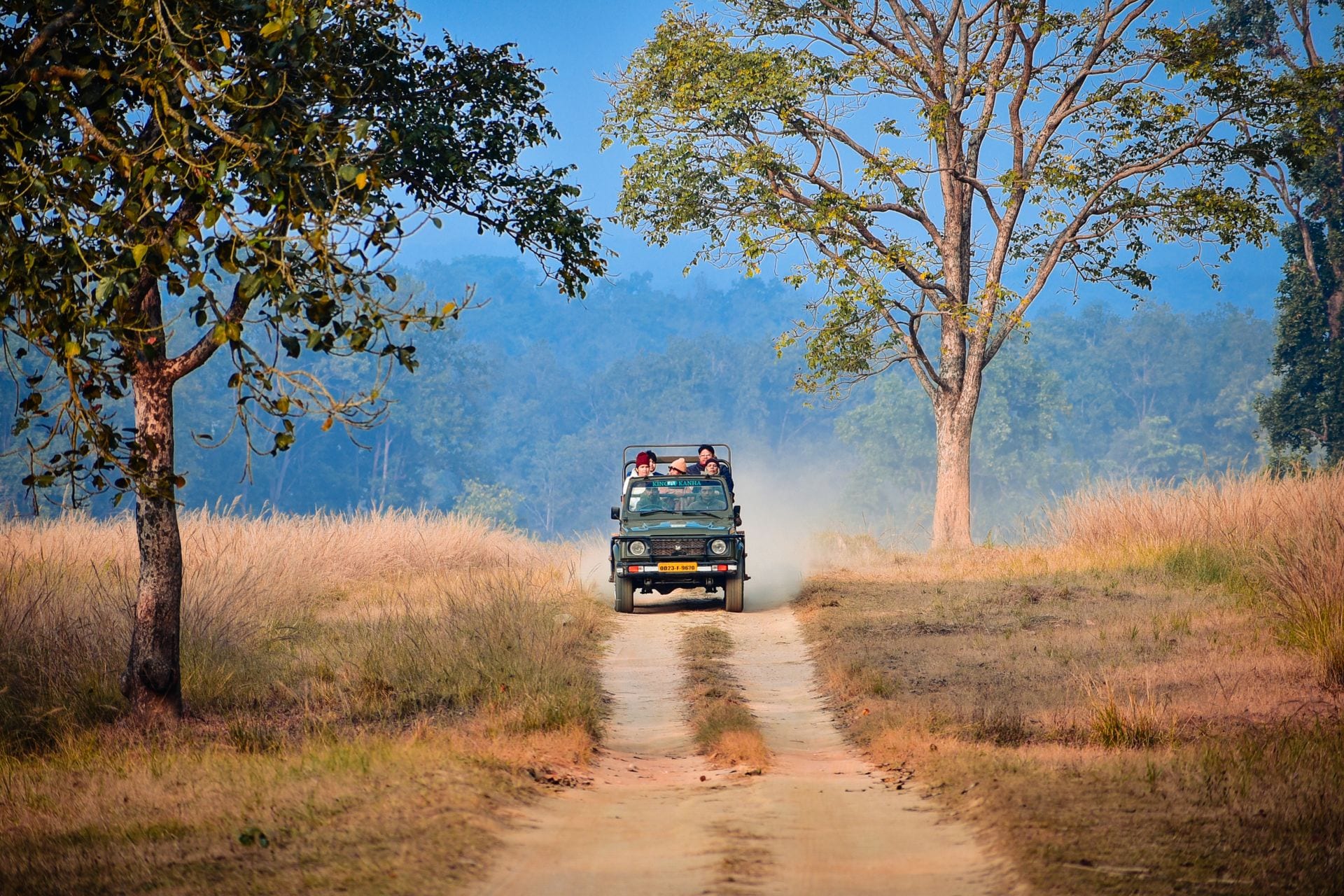
The jungle, truly experienced.
For travellers who want to feel Ranthambore beyond just tiger sightings. The journey begins the moment you meet our representative and continues until your safari ends.
 Our recommendation
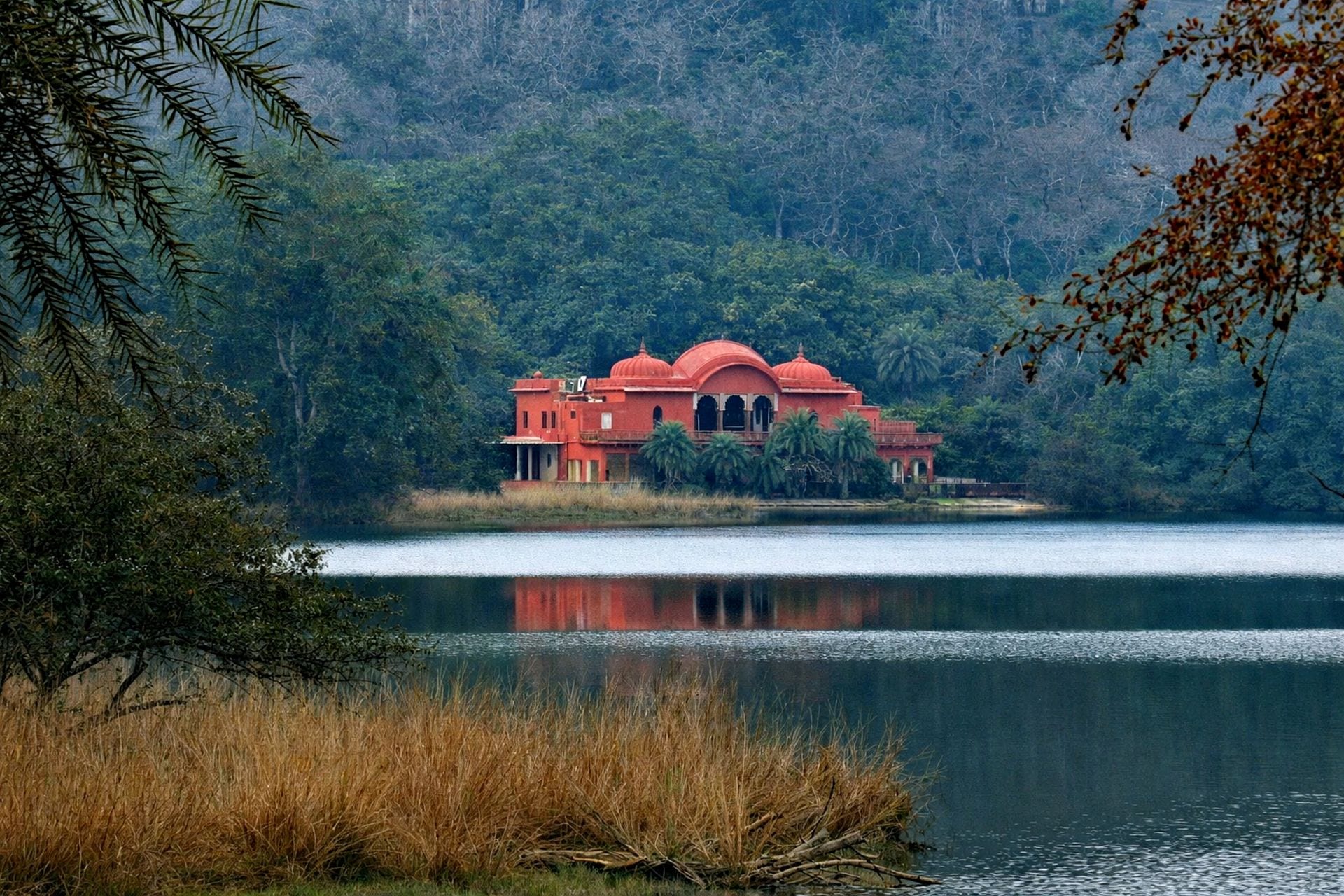
Where the jungle, stay, culture and stories come together.
Our most complete way to experience Ranthambore — the soul of the Classic safari, plus a carefully selected stay, curated local experiences and warm Sawai Madhopur hospitality.
 Private canter
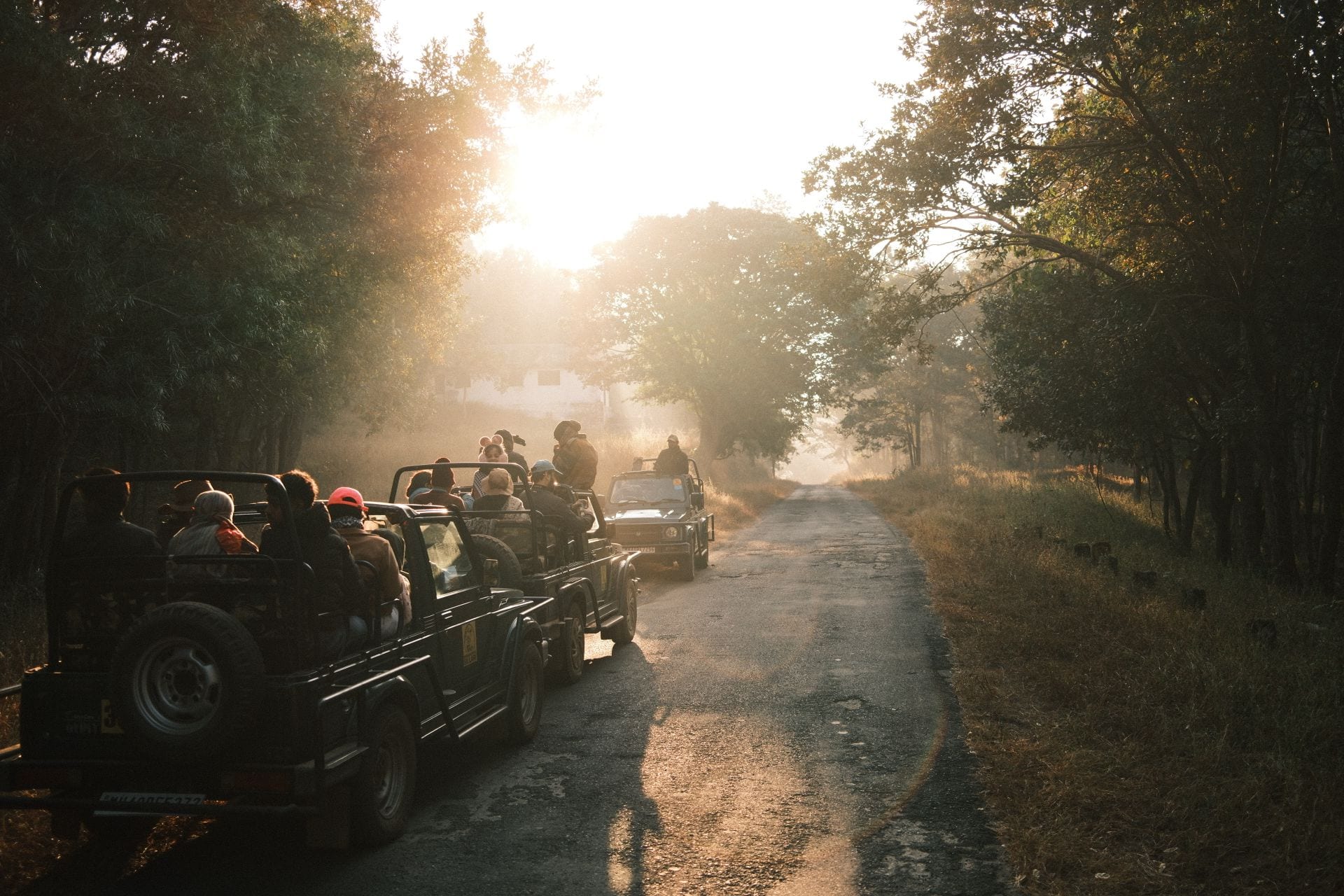
Big groups. Never a shared canter.
Built for corporates, large families, and friend groups who want to safari together — without being packed in alongside strangers.
Not sure which one fits? Message us on WhatsApp and we'll tell you honestly — including when the answer is none of them.
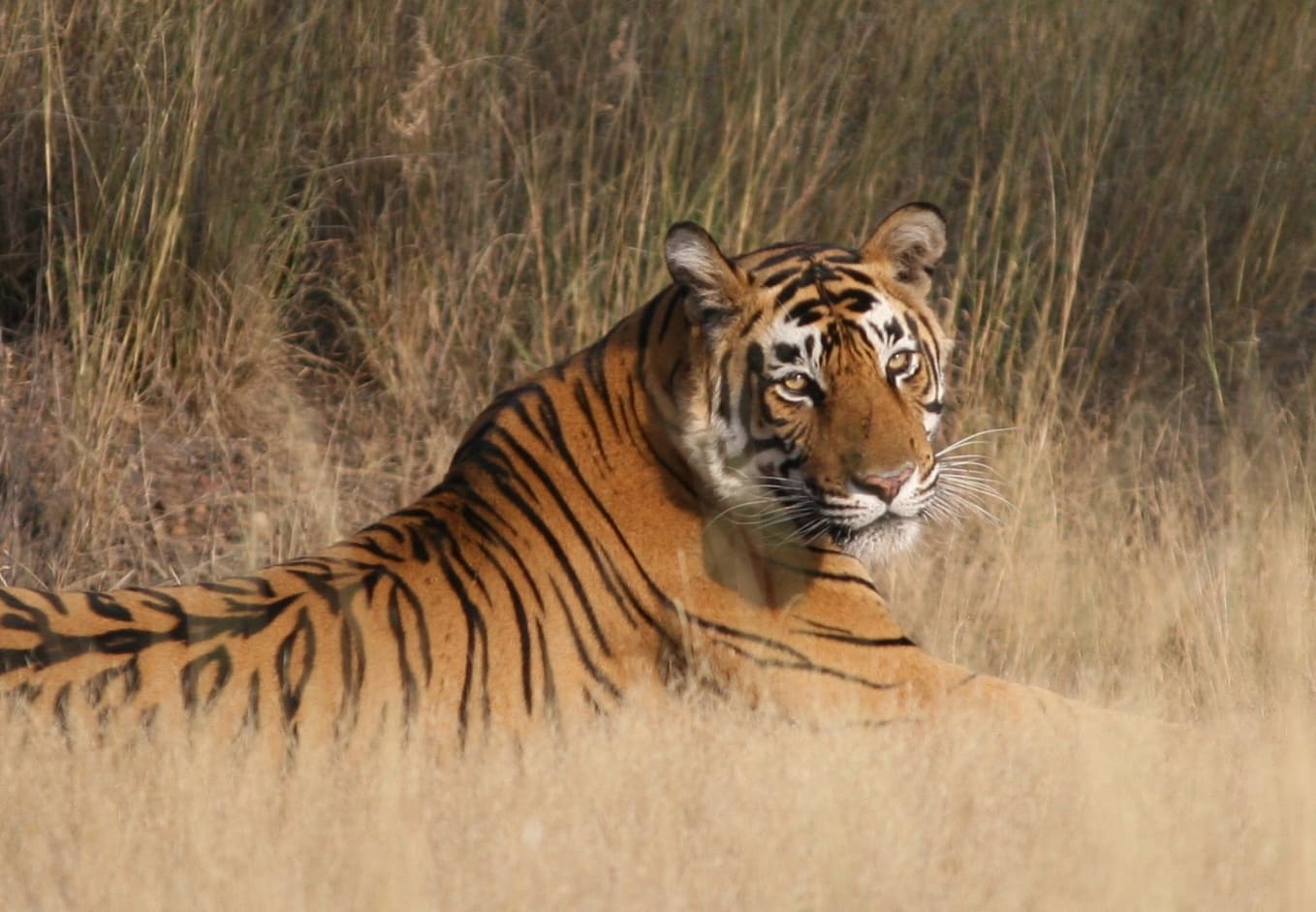
Ranthambore National Park, spread across 1,334 sq km in the Sawai Madhopur district of Rajasthan, is among India's largest and most celebrated national parks.
Originally the hunting grounds of the Maharajas of Jaipur, it was declared a wildlife sanctuary in 1955 and upgraded to a national park in 1980. The park forms part of India's Project Tiger initiative and is recognised globally for its tiger conservation record.
Its landscape is what sets it apart — a dramatic blend of dry deciduous forest, ancient ruins and shimmering lakes. It is one of very few places on earth where tigers move freely amongst standing historical monuments.
A 10th-century UNESCO-listed fort stands inside the reserve, with palace ruins and stepwells scattered through the core zones. Tigers move through Rajput masonry here — a combination that exists almost nowhere else.
Dhok-dominated dry deciduous forest gives way to lakes and marsh in the north and broken rocky valleys in the south. Each zone reads as a different country, with different animals.
One of the original nine Project Tiger reserves from 1973. The population has recovered from a documented crash in the early 2000s to one of the healthiest densities in India.
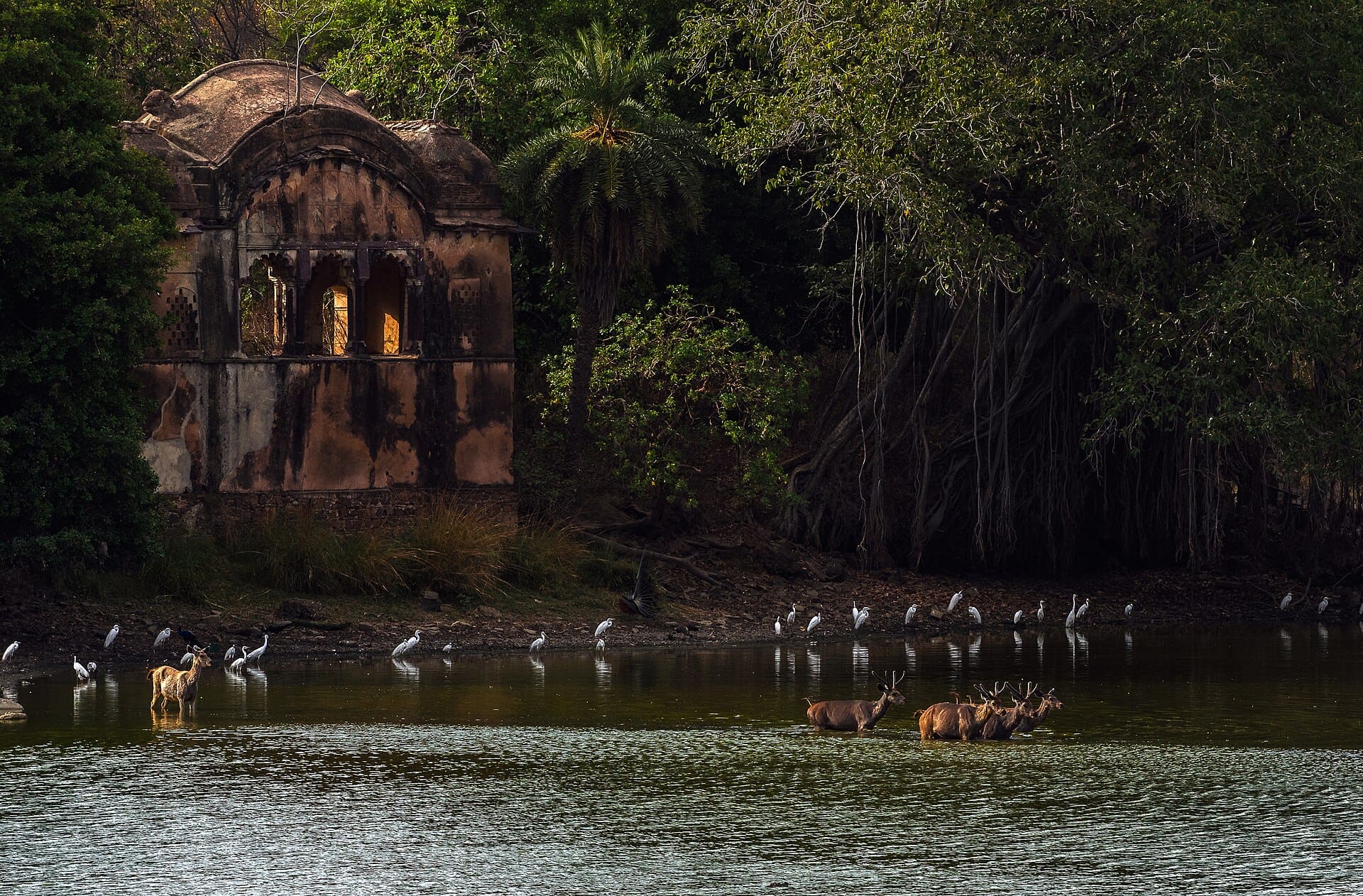
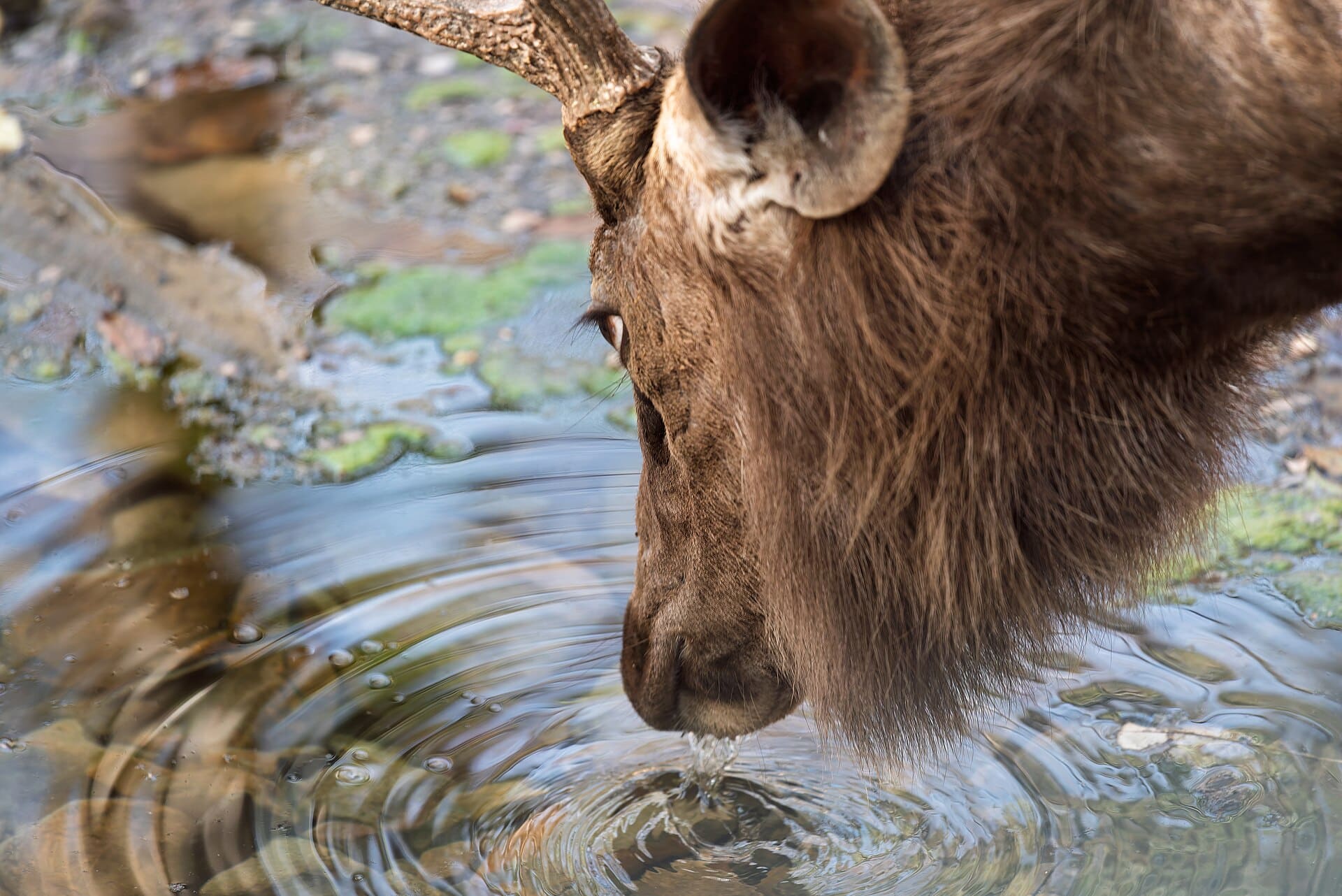
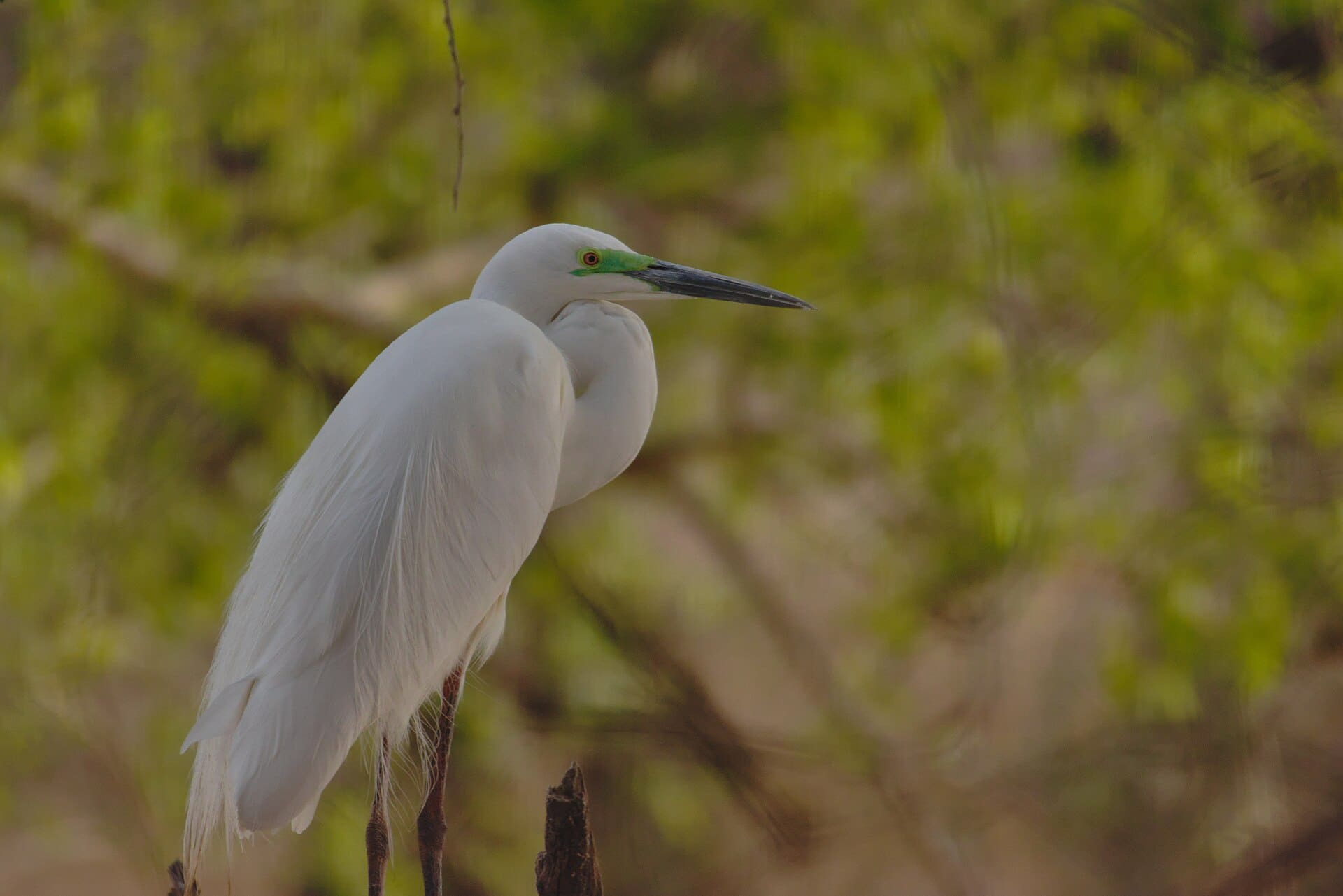
Padam, Rajbagh and Malik Talao hold water through the dry months, drawing sambar, chital, crocodile and over 320 bird species — and, predictably, the predators that follow them.
0 sq km
Reserve area
Tiger reserve total
0
Safari zones
Core zones 1 – 10
0+
Bengal tigers
Latest reserve estimate
0+
Mammal species
Leopard to sloth bear
0+
Bird species
Resident & migratory
0+
Plant species
Dhok-dominated forest
A thousand-year-old fort and palace ruins standing within the core zones — and, past the boundary, the birding lakes, river sanctuaries and craft towns most itineraries never reach.
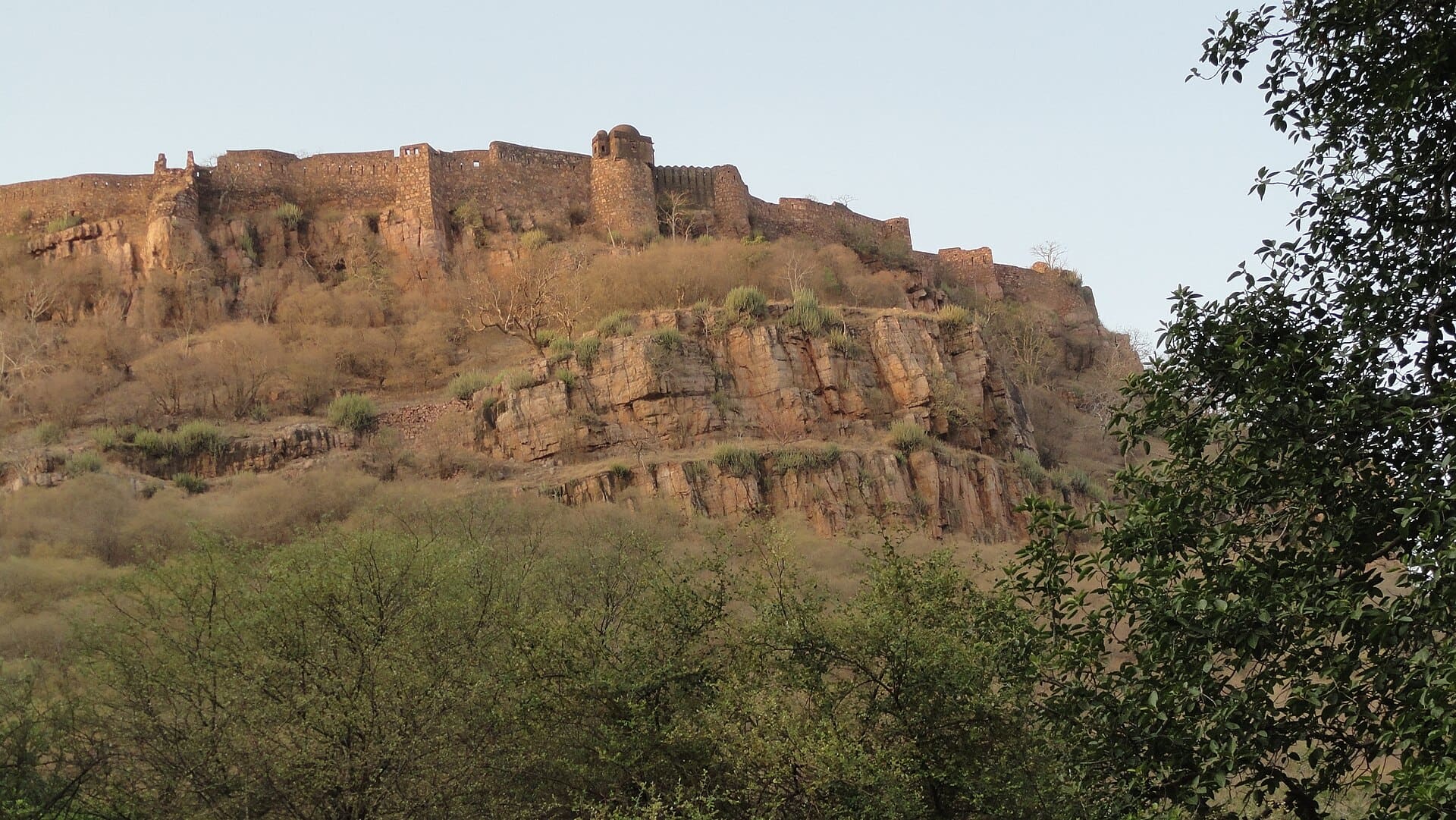 Heritage
A thousand years of Rajput history, standing inside a tiger reserve.
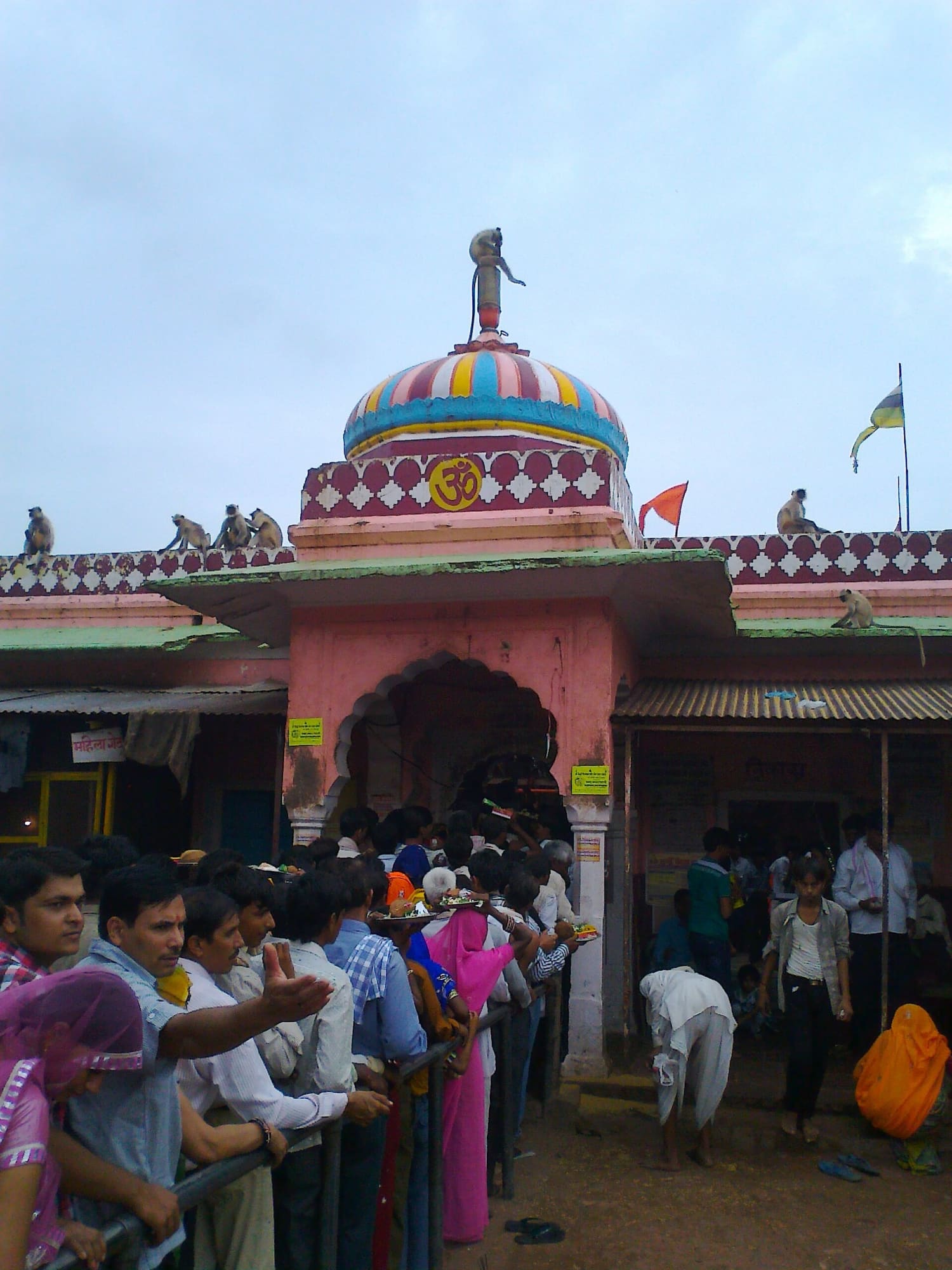 Pilgrimage
One of India's oldest Ganesh temples — and it still gets mail.
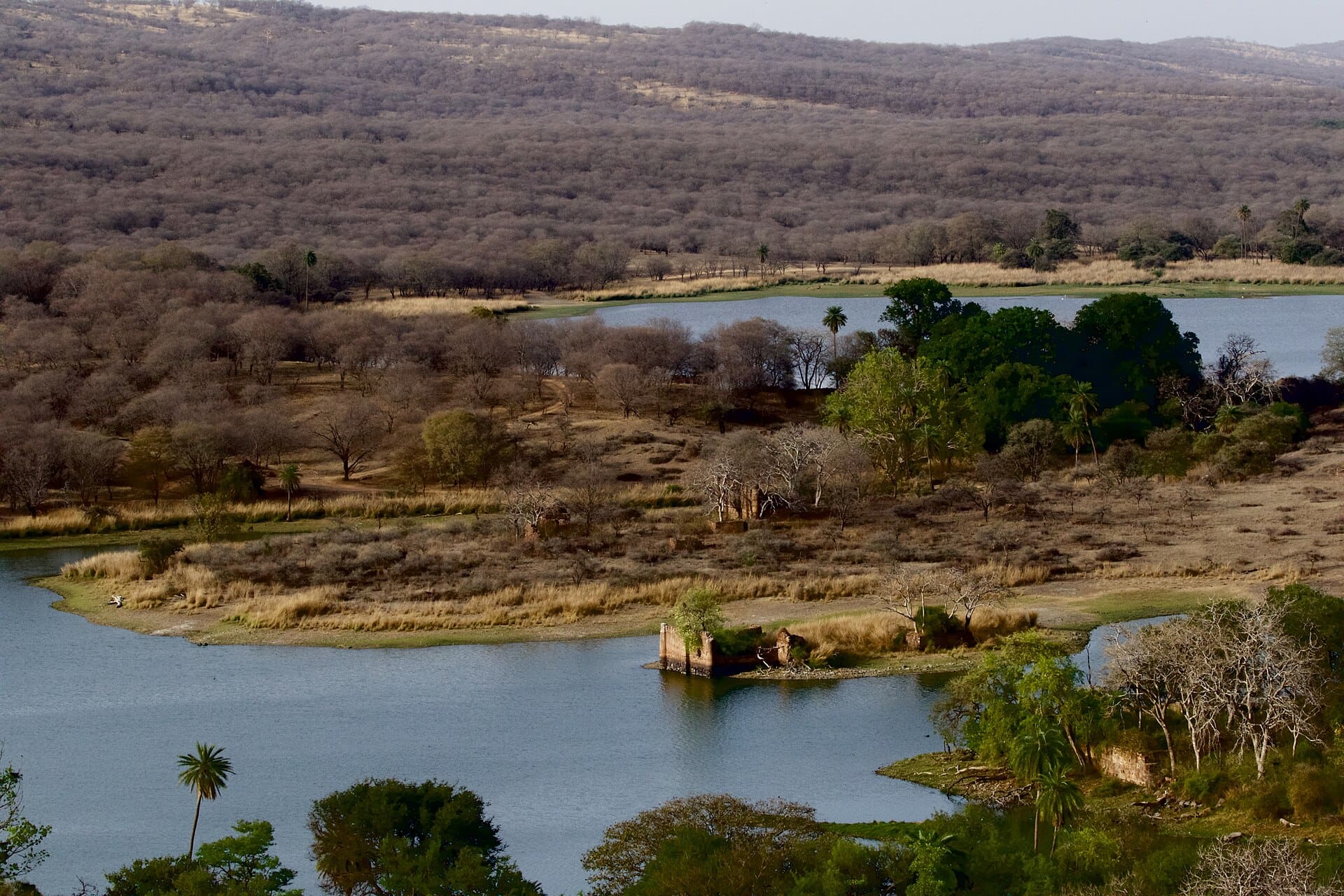 Landscape
The largest lake in the park, and the lodge on its edge.
 Heritage
Where tigers walk through Rajput arches.
 Landscape
Rocky outcrops, low hills, and the best odds on a leopard.
 Birding
A shallow winter lake that fills with migratory birds.
 Wildlife
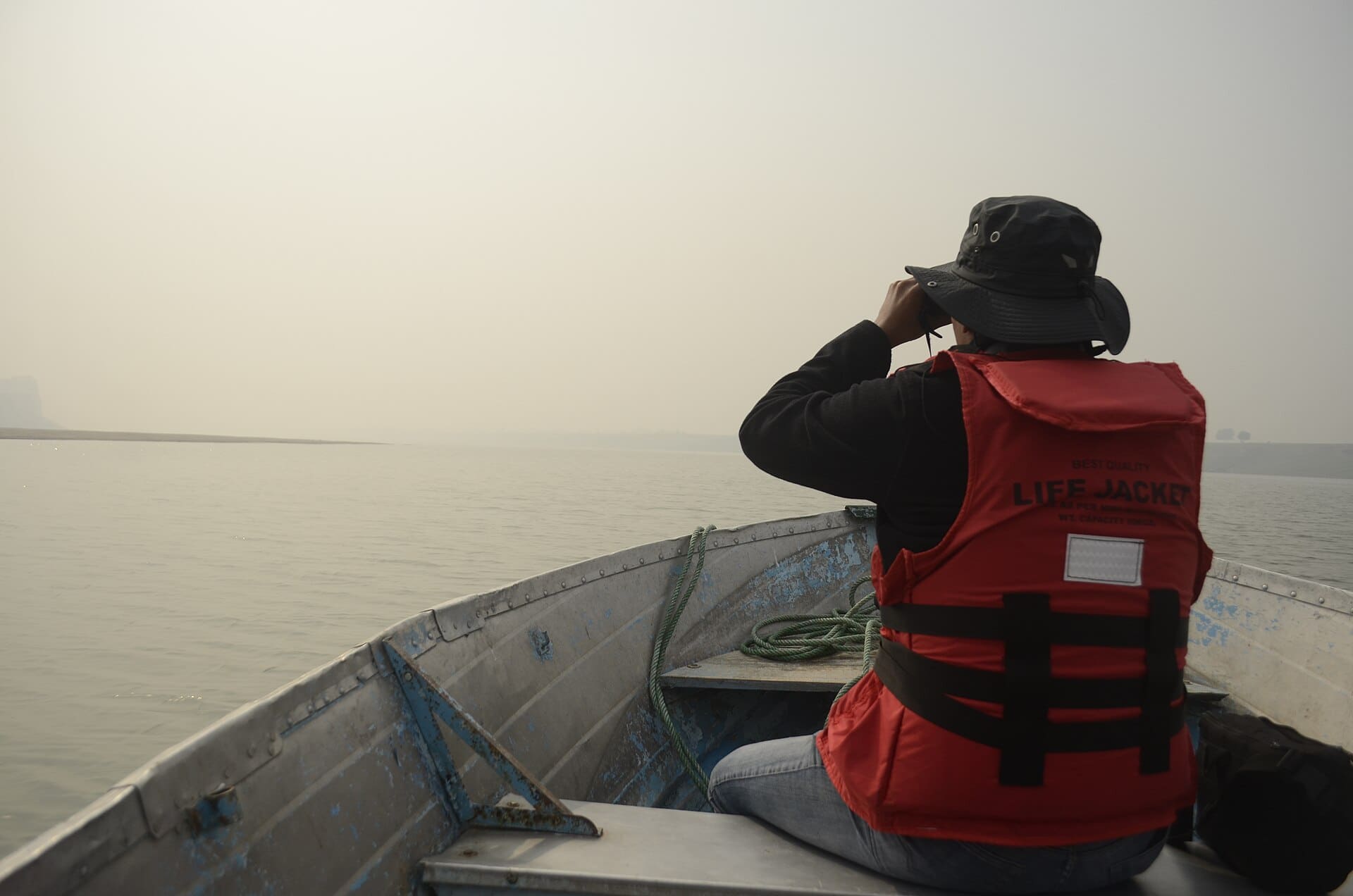
A boat safari on one of India's cleanest rivers.
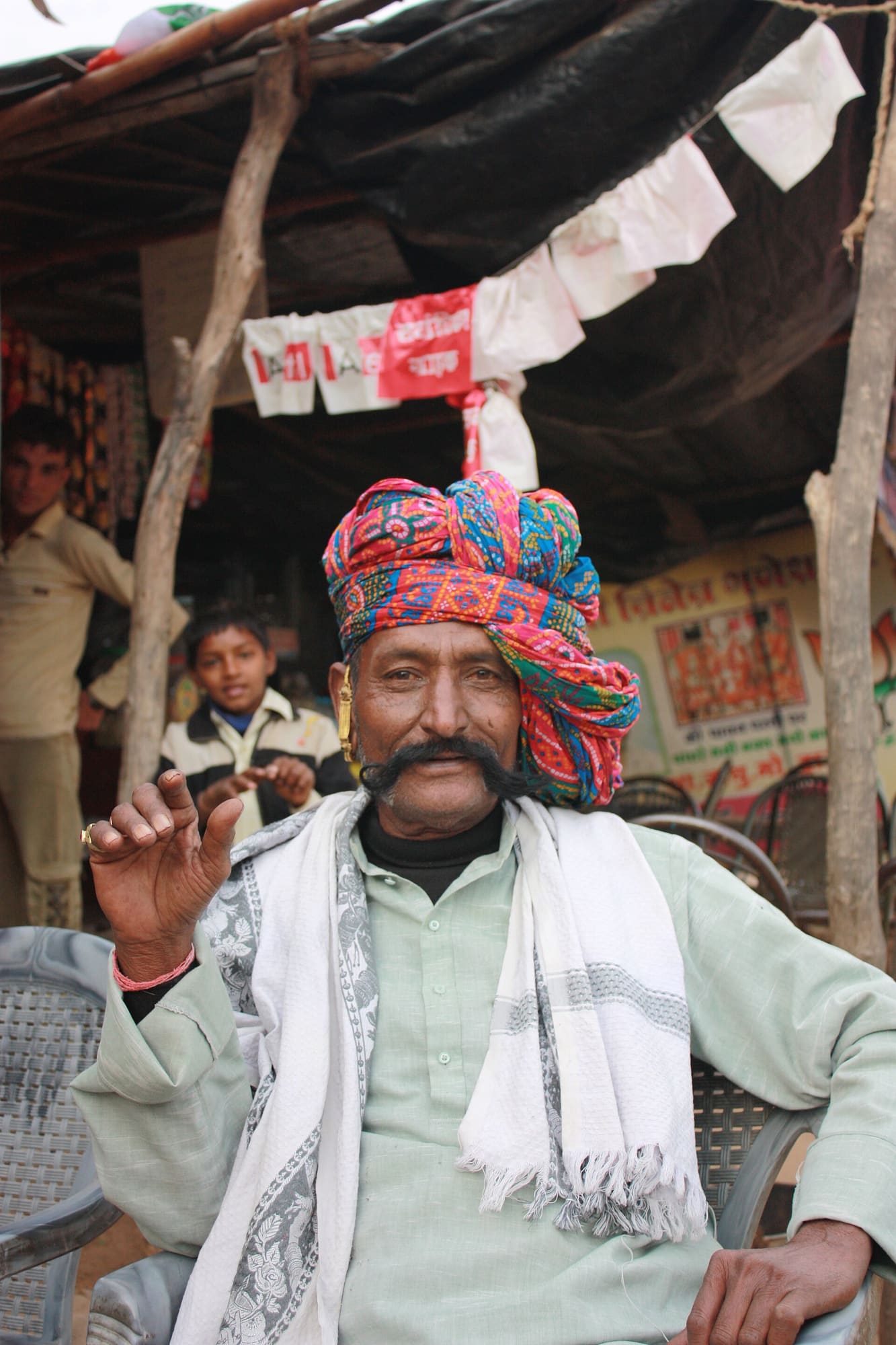 Town
TownThe town the park is reached through — worth more than a transit stop.
Ranthambore's fame rests on individual animals with names, territories and reputations — and on stories that have been retold, stretched and embellished for thirty years. We are not going to add another exaggerated version here. Consider what follows the trailer.
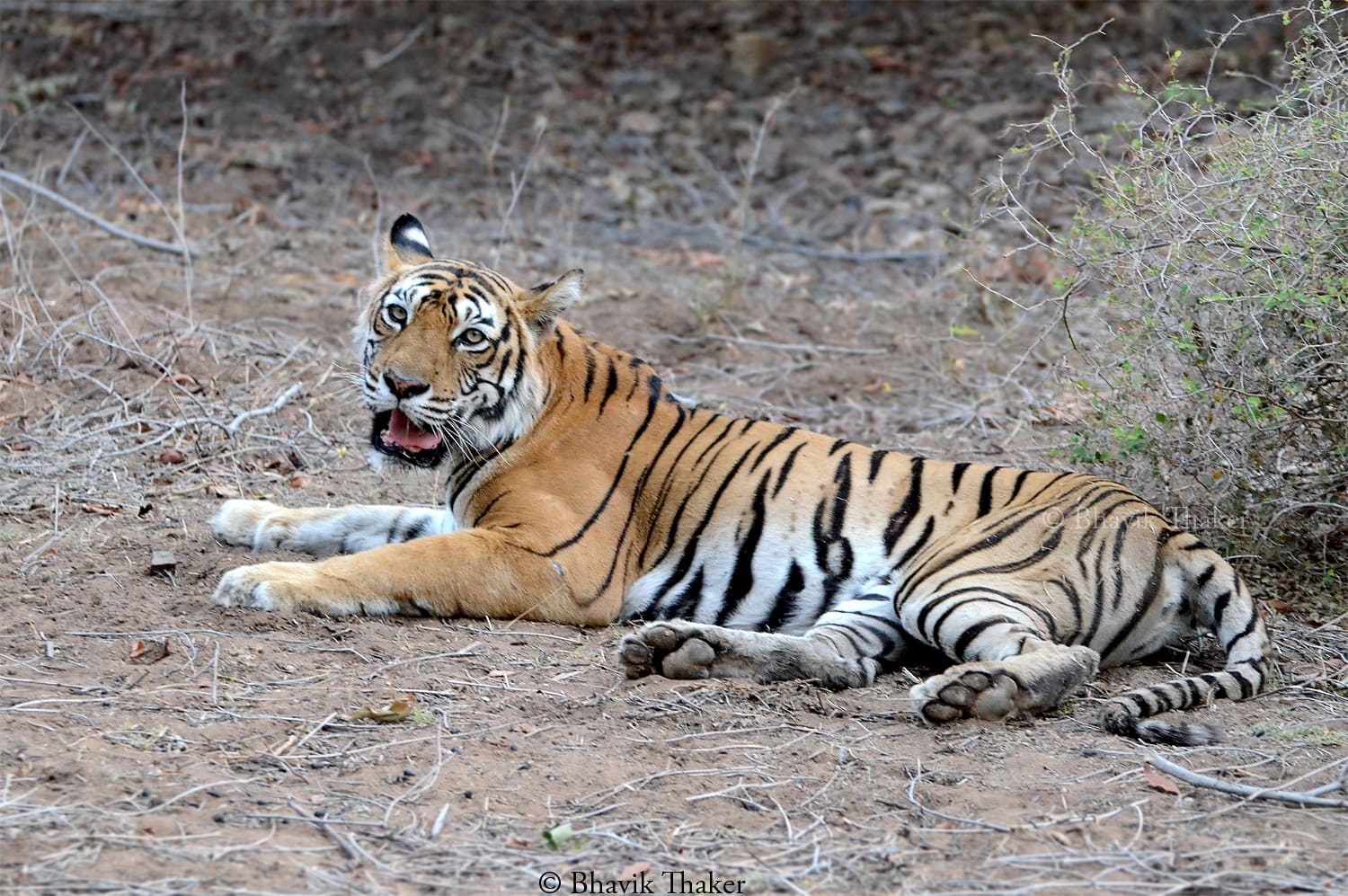 The one everyone has heard of
T-16
The Lady of the Lakes
She fought a mugger crocodile at the water's edge and lost two canines doing it. What happened after that is the part most retellings get wrong.
She inherited her mother's lakes. Holding them was the harder half.
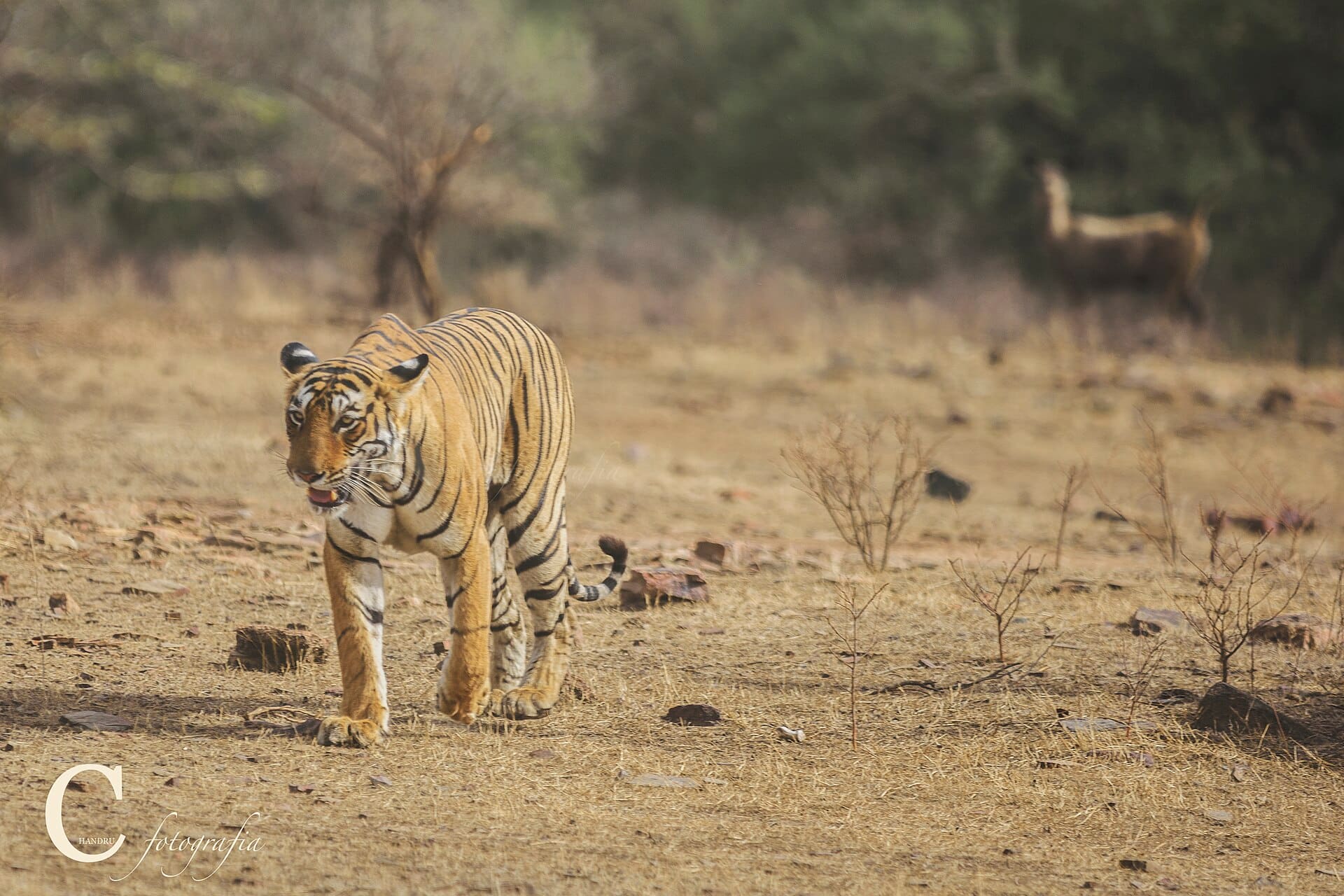
Three generations of queens have held this stretch of water. Ask your guide who holds it now.
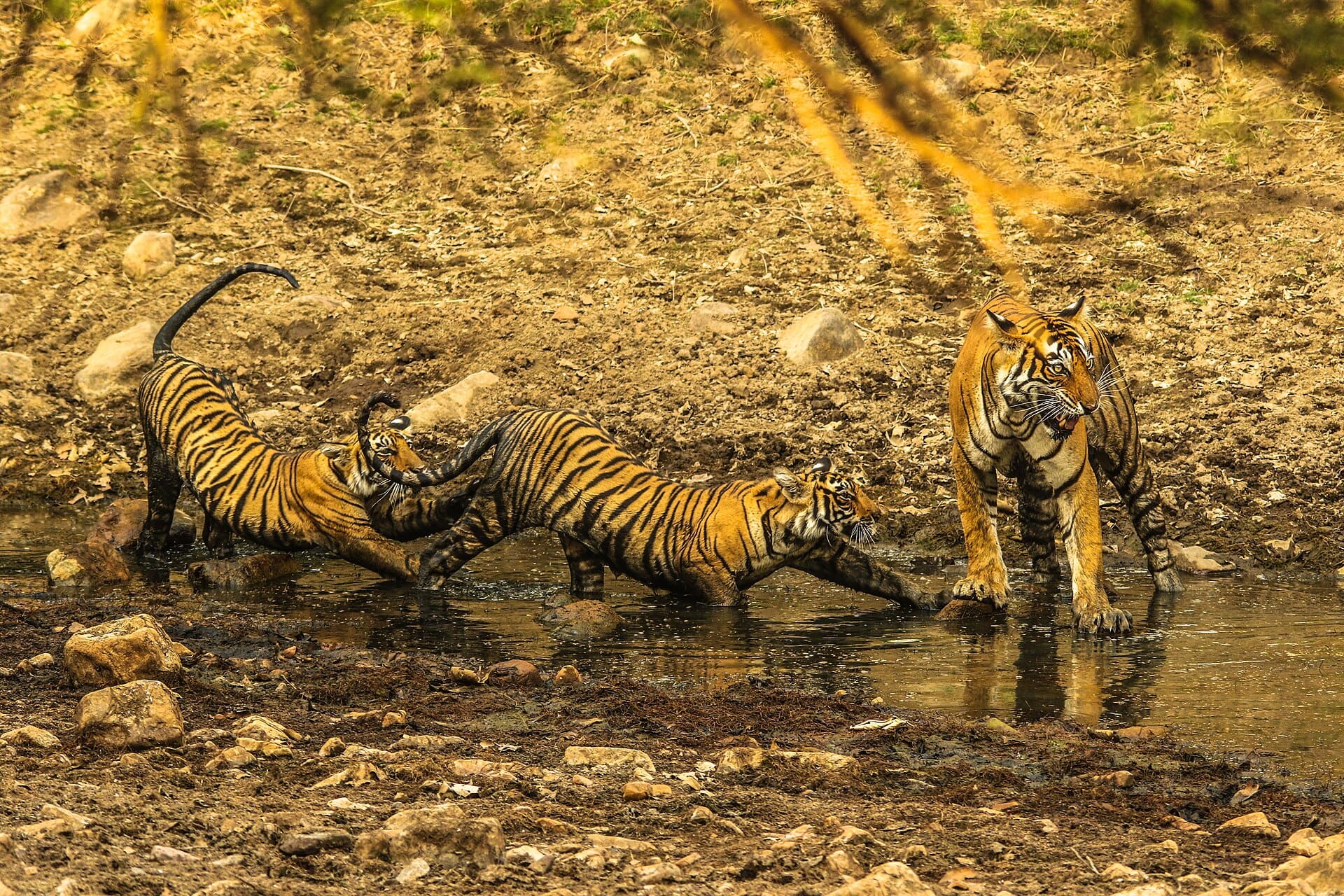
Two cubs, an open forest road, and a decision no guide who watched it has stopped talking about.
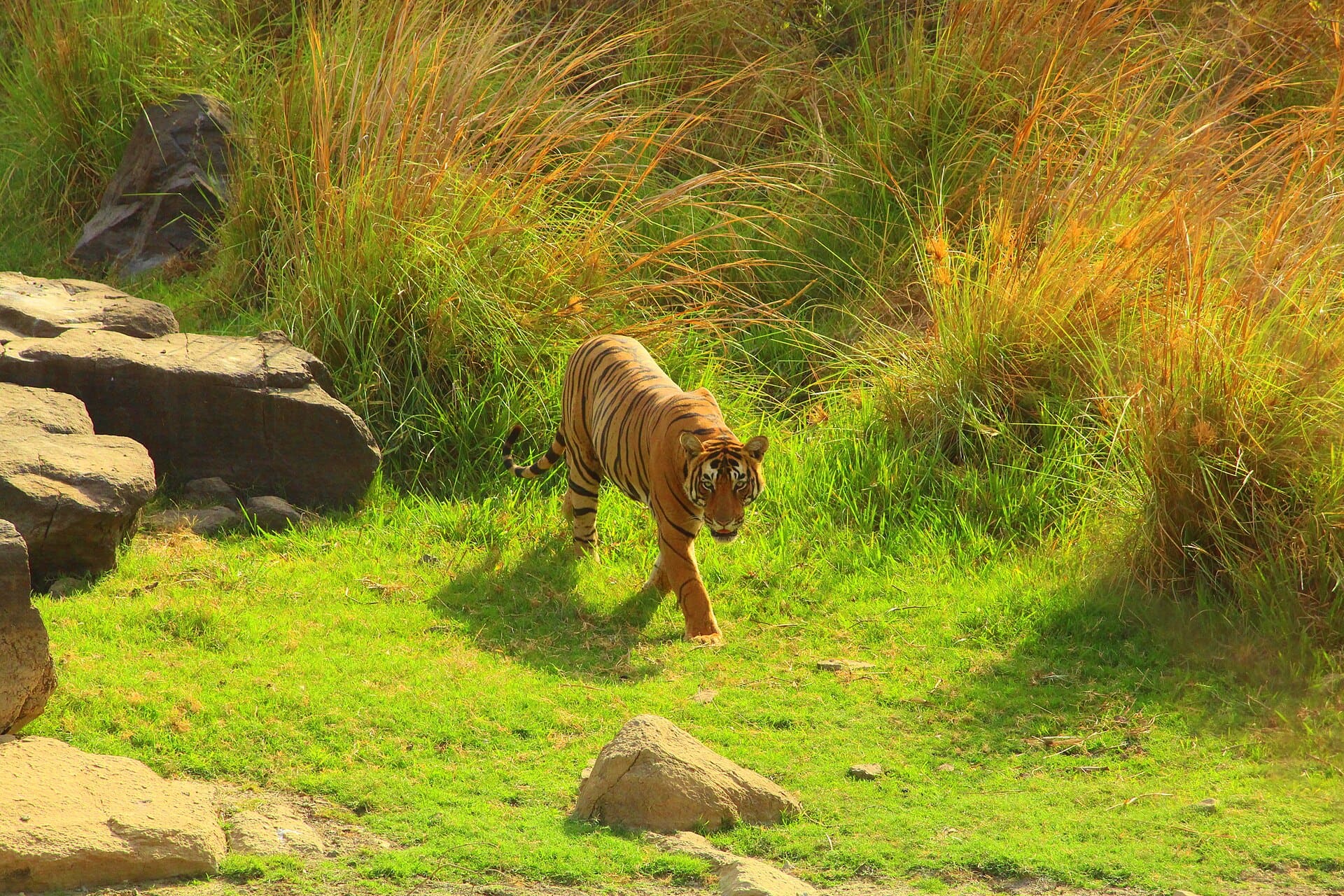
The largest male most of these drivers have ever put a vehicle behind.
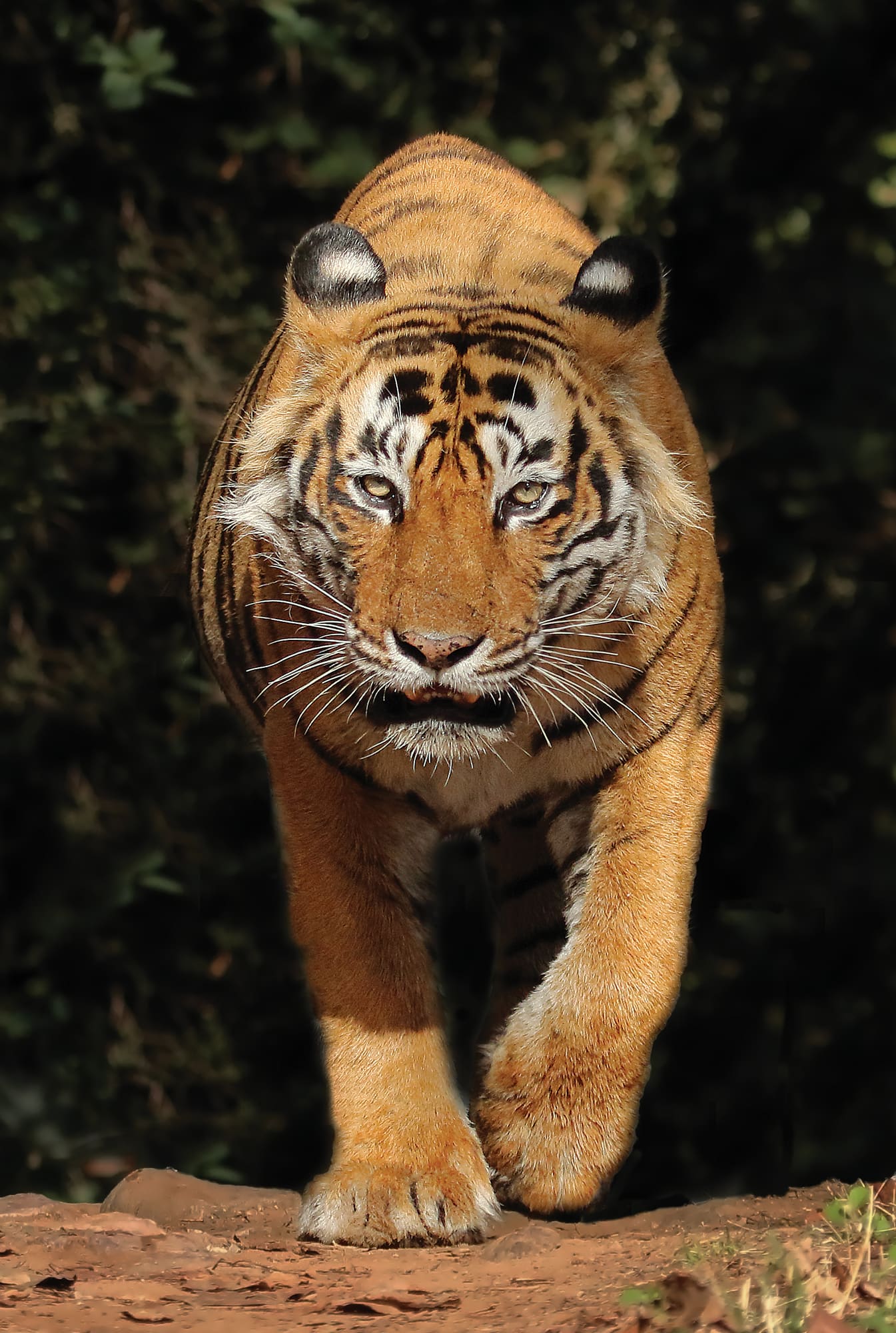
A tiger, a forest guard, and a relocation this country is still arguing about.
The rest of it
comes from the seat next to you.
Our naturalists have followed these animals for years. What they tell you at the waterhole is the version worth hearing — and it is only ever told out there.
No hedging and no sales copy. If the honest answer is “it depends”, we say what it depends on.
No — and anyone who tells you otherwise is selling something. Ranthambore has one of the highest tiger densities in India and sighting rates are genuinely good, particularly between March and June, but this is a wild forest and not a zoo. What we can promise is a private vehicle, a naturalist who knows the terrain, and the full duration of your drive spent looking properly.